Table of Contents
Types of Salt: A Simple Guide to Common and Gourmet Salts
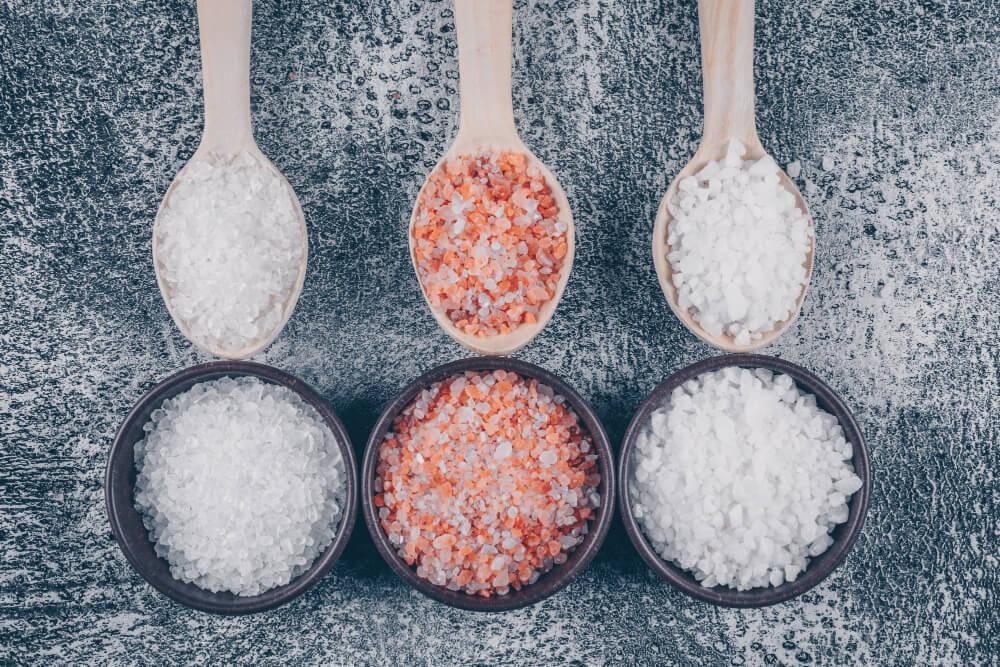
Salt is one of the most essential ingredients in any kitchen, yet many people don’t realise just how many types of salt exist. From everyday cooking to gourmet dishes and food preservation, each type of salt has its own texture, flavour, and purpose.
Understanding the different types of salt can help you choose the right one for your recipe, enhance flavour, and even improve presentation. Below is a simple guide to the most common and specialty salts used in cooking today.
1. Table Salt
Table salt is the most widely used type of salt. It is finely ground and usually iodised to help prevent iodine deficiency.
Best uses:
- Everyday cooking
- Baking
- General seasoning
Because it dissolves quickly, table salt is reliable for recipes that require precise measurements.
2. Sea Salt
Sea salt is made by evaporating seawater and contains trace minerals that can subtly affect flavour. It comes in fine or coarse varieties.
Best uses:
- Cooking and seasoning
- Finishing dishes
- Roasted vegetables and meats
Sea salt offers a cleaner, more natural taste compared to regular table salt.
3. Himalayan Pink Salt
Recognisable by its soft pink colour, Himalayan pink salt is mined from ancient salt deposits. It contains natural minerals and has a mild, smooth flavour.
Best uses:
- Table seasoning
- Grilling and cooking
- Salt grinders
Its visual appeal makes it popular in both home and professional kitchens.
4. Kosher Salt
Kosher salt has larger flakes and no added iodine. It’s a favourite among chefs because it’s easy to pinch and control when seasoning food.
Best uses:
- Meat preparation
- Cooking and brining
- Seasoning by hand
Kosher salt dissolves well and provides consistent flavour.
5. Rock Salt
Rock salt comes in large crystals and is less refined. It’s commonly used for non-daily cooking purposes.
Best uses:
- Food preservation
- Ice cream making
- Salt crust cooking
Its coarse texture makes it unsuitable for direct seasoning without grinding.
6. Smoked Salt
Smoked salt is infused with smoke from different woods, adding a rich, smoky flavour without using a smoker.
Best uses:
- BBQ dishes
- Grilled meats and vegetables
- Finishing salt
A small amount can instantly enhance depth and aroma.
7. Gourmet & Specialty Salts
Gourmet salts include infused, flavoured, or artisan-crafted salts designed to elevate dishes.
Examples include:
- Herb-infused salt
- Truffle salt
- Chilli salt
These salts are best used as finishing touches rather than for everyday cooking.
Choosing the Right Type of Salt
When selecting from the many types of salt, consider how you plan to use it. Fine salts work best for baking and precise recipes, while coarse or specialty salts are ideal for finishing and flavour enhancement.
At Baker & Baker Salts, quality and purity matter. Choosing the right salt can make a noticeable difference in taste, texture, and presentation.
Final Thoughts
With so many types of salt available, experimenting with different varieties can transform everyday meals into something special. Whether you’re cooking, baking, or finishing a dish, understanding the role of each salt helps you get the best results every time.
Share Post: